Blog ·
The Complete Guide to Year-Round Lawn Maintenance
Understanding Your Lawn's Seasonal Needs
Your lawn is a living system that requires different care throughout the year. Understanding what your grass needs in each season is the foundation of maintaining a healthy, vibrant landscape. Spring, summer, fall, and winter each present unique challenges and opportunities for lawn care.
During spring, your primary focus should be on recovery and growth. Winter dormancy means your lawn needs nutrients and attention to bounce back. This is the ideal time to aerate your soil, allowing water and nutrients to penetrate deeper where grass roots can access them. Spring is also when you should apply pre-emergent treatments to prevent weed seeds from germinating as temperatures warm.
Summer Care and Watering Strategy
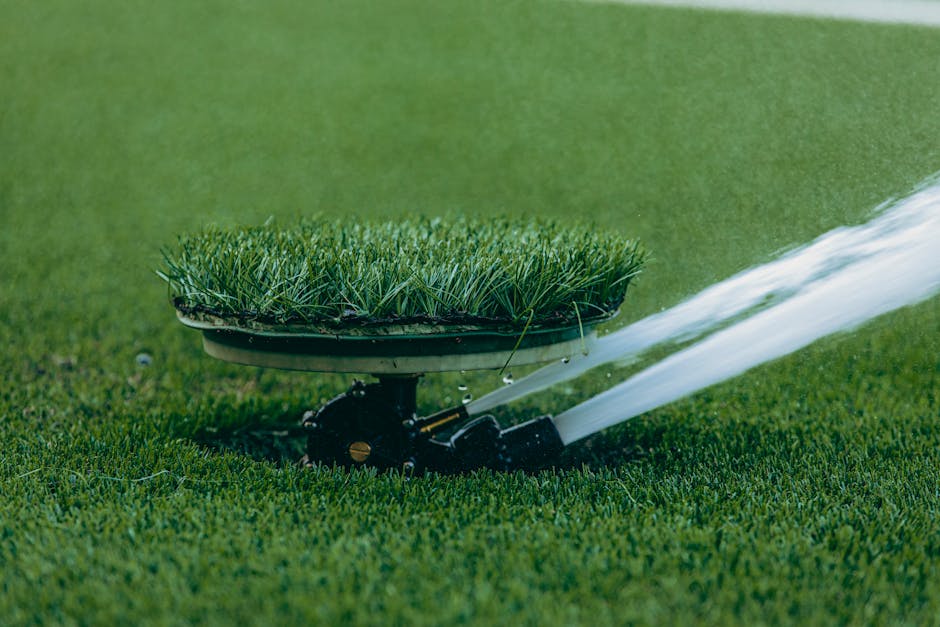
Summer heat puts stress on grass, making proper watering essential. Most lawns require deep, infrequent watering rather than daily light sprinkling. Watering early in the morning allows grass to absorb moisture before the heat of the day. Mowing height matters too—keeping grass slightly taller during summer provides shade to the soil, reducing moisture loss and preventing weed growth.
Fall is often overlooked, but it's actually one of the most critical seasons for lawn health. Cool-season grasses experience vigorous growth in fall, making it the perfect time for overseeding thin areas and fertilizing. Fall aeration helps break up compacted soil, giving roots room to develop before winter dormancy.
Winter Preparation and Protection
As temperatures drop, your lawn enters dormancy. Rather than assuming nothing needs to be done, use winter to plan spring improvements and protect your lawn from damage. Avoid heavy foot traffic on frozen or dormant grass, and clear debris regularly to prevent mold and disease. Winter is also an excellent time to address drainage issues or plan landscape improvements for spring installation.
Creating a Maintenance Schedule
Successful lawn care relies on consistency. Establish a regular mowing schedule—most lawns benefit from weekly mowing during active growing seasons. Keep mower blades sharp to create clean cuts that heal quickly and resist disease. Document your lawn's condition throughout the year to identify patterns and adjust your approach accordingly.Different grass types have specific requirements, and factors like soil composition, sunlight exposure, and local climate all influence your lawn care strategy. What works perfectly for one lawn might need adjustment for another. Pay attention to your lawn's response to your efforts and be willing to adapt your maintenance routine as needed.
Consistent, season-appropriate care transforms an average lawn into a thriving landscape. The effort you invest in understanding and responding to your lawn's needs throughout the year will reward you with a beautiful, healthy outdoor space.